
About
Camelina: Protects like a cover crop. Pays like a cash crop.
Camelina sativa is a fast-growing oilseed crop used for the production on renewable fuels that is typically grown in rotation with wheat, soy, corn and other row crops. Farmers may use camelina as an alternate to traditional cover crops. Since camelina can grow with less water than traditional row crops and may seeded in winter, spring or summer (depending on climate and existing rotation), it allows growers to plant camelina on idle acreage, increasing asset utilization and profitability. Camelina does not displace food crops as it is grown on idle land replacing fallow land perioids.
The harvestable cover crop
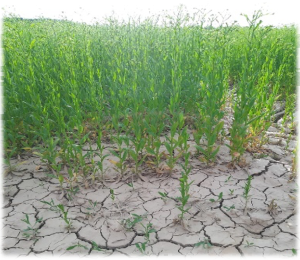
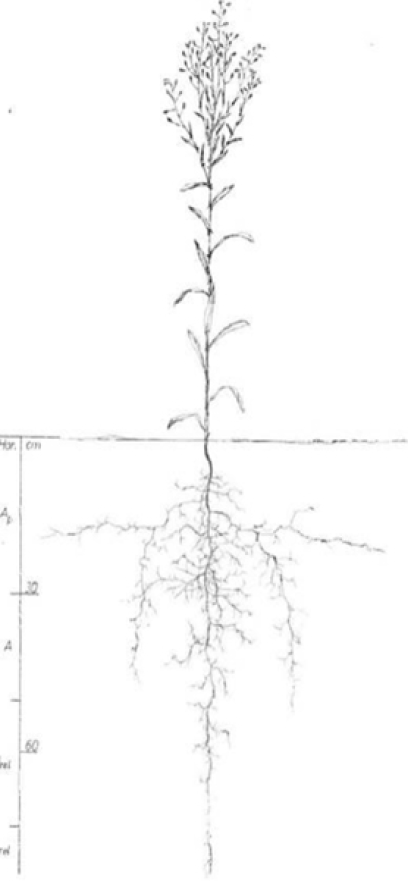
Camelina is a unique oilseed crop from the Brassicaceae family, typically requiring low inputs, with modest nitrogen fertilization, little herbicides, and usually no pesticide or fungicide applications. Camelina is characterized by its resilience, especially under drought stress conditions. Camelina shows better water efficiency than other oilseeds, especially for low rainfall conditions. Camelina also provides other agronomic advantages when introduced in farmers’ rotations, including good allelopathic effects, allowing weed competition, and better tolerance to pests than other crucifers like rapeseed. From an environmental perspective, camelina’s root system helps improve the soil structure, and it is a melliferous species, providing a source of nectar and pollen to bees at a critical moment of the year.
- Easy implementation
- Dry germinating
- Quick soil cover
- Pivoting root system
- Allelopathic effect
- Drought resistant
- Pest tolerant
- Disease tolerant
- Nitrogen uptake
- Melliferous species
Nitrogen Uptake
Camelina is an excellent cover crop choice for nitrogen uptake. A USDA study performed in 2018 demonstrated that camelina provided the lowest nitrate levels at 30, 60, and 100 cm compared to clean till, no-till, and other cover crops like radish, rye, and pennycress.
Benefits for Bees
Camelina is a melliferous species that provides a source of nectar and pollen to bees at a critical moment of the year. A USDA study confirmed that camelina earned the highest marks overall when compared to rapeseed and pennycress, due to its optimal combination of desirable agronomic traits.
Tolerance to Pest and Diseases
Camelina is tolerant to some of the common pests and diseases of Brassica oilseeds. Camelina’s resistance is attributed to the production of antimicrobial compounds in the roots, including phytoanticipins and phytoalexins (camalexin and methoxycamalexin). A Canadian investigation confirmed that camelina resists five common pests in rapeseed, including crucifer feeding specialist flea beetles, root maggots or diamondback moth. Camelina is generally resistant to alternaria, black spot and blackleg of crucifers. However, it can be susceptible to clubroot and white rust. Downy mildew can appear, but damage is generally not significant.
Turn idle acres into profit acres.
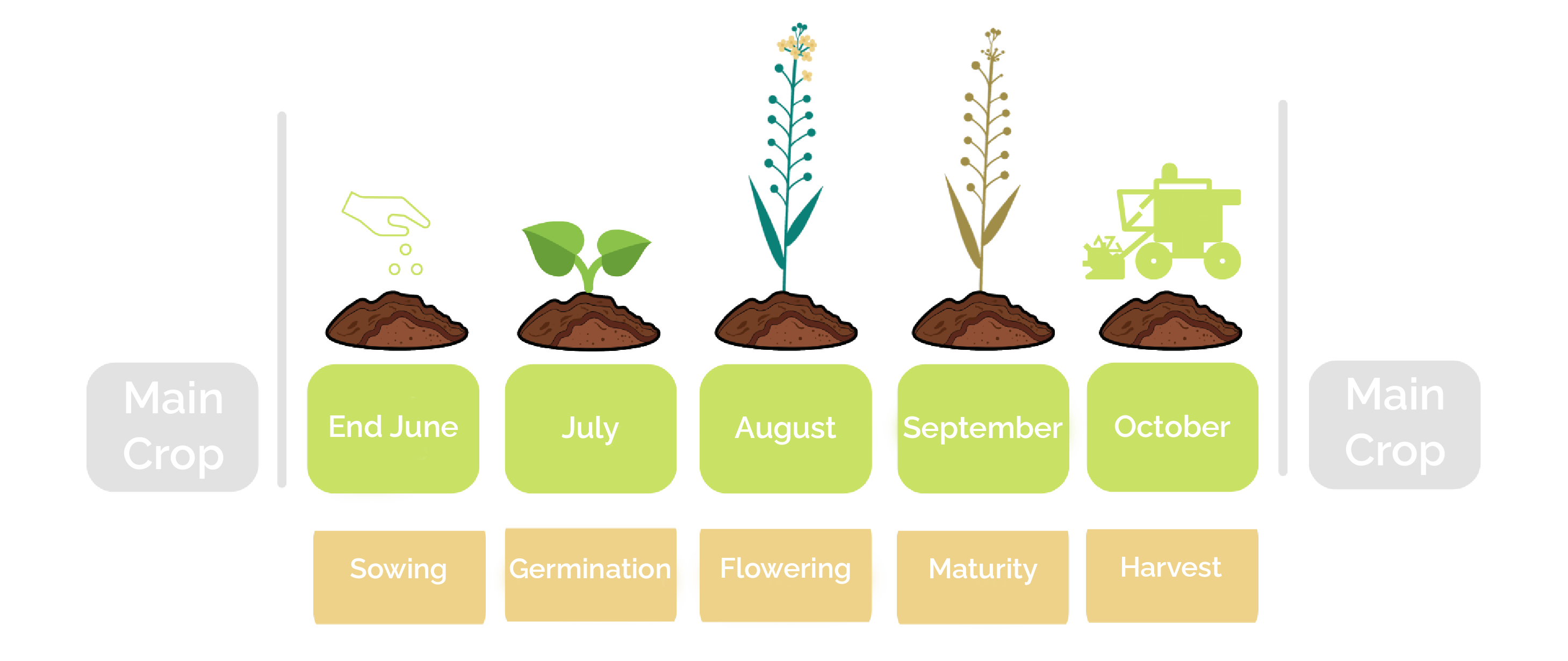
Camelina Company’s short-cycle varieties can be grown as a harvestable cover crop. Farmers can introduce camelina into growing rotations, providing the agronomic and environmental advantages of a cover crop, while generating revenue from the harvest.
Innovation in the fields we service
Innovation is the basis of our development and growth. We lead and participate in multidisciplinary research projects that allow us to develop innovative solutions for our growers.
Varieties
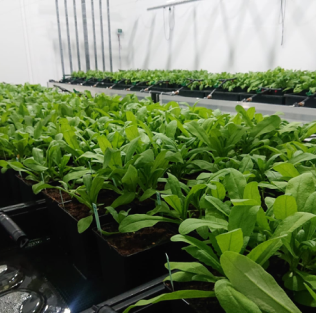
We develop varieties adapted to the different needs of our growers. The main areas for improvement focus on:
- Productivity
- Oil content and quality
- Crop cycle
- Resistance to drought and diseases
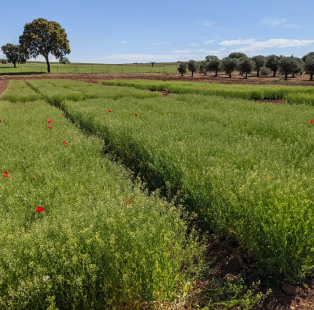
Field Trials
We have an extensive network of field trials that allows us to optimize our cultivation protocol and select the best varieties for each crop rotation.
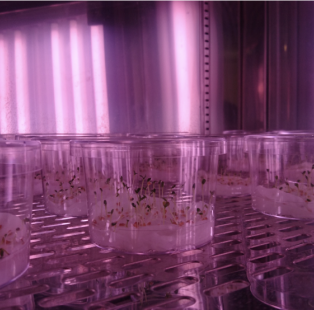
Quality
We have laboratory facilities and industrial machinery for the analysis of the harvest and for the production of high-quality seed.